
Ensuring Cross-Chain Interoperability in Web3 Development
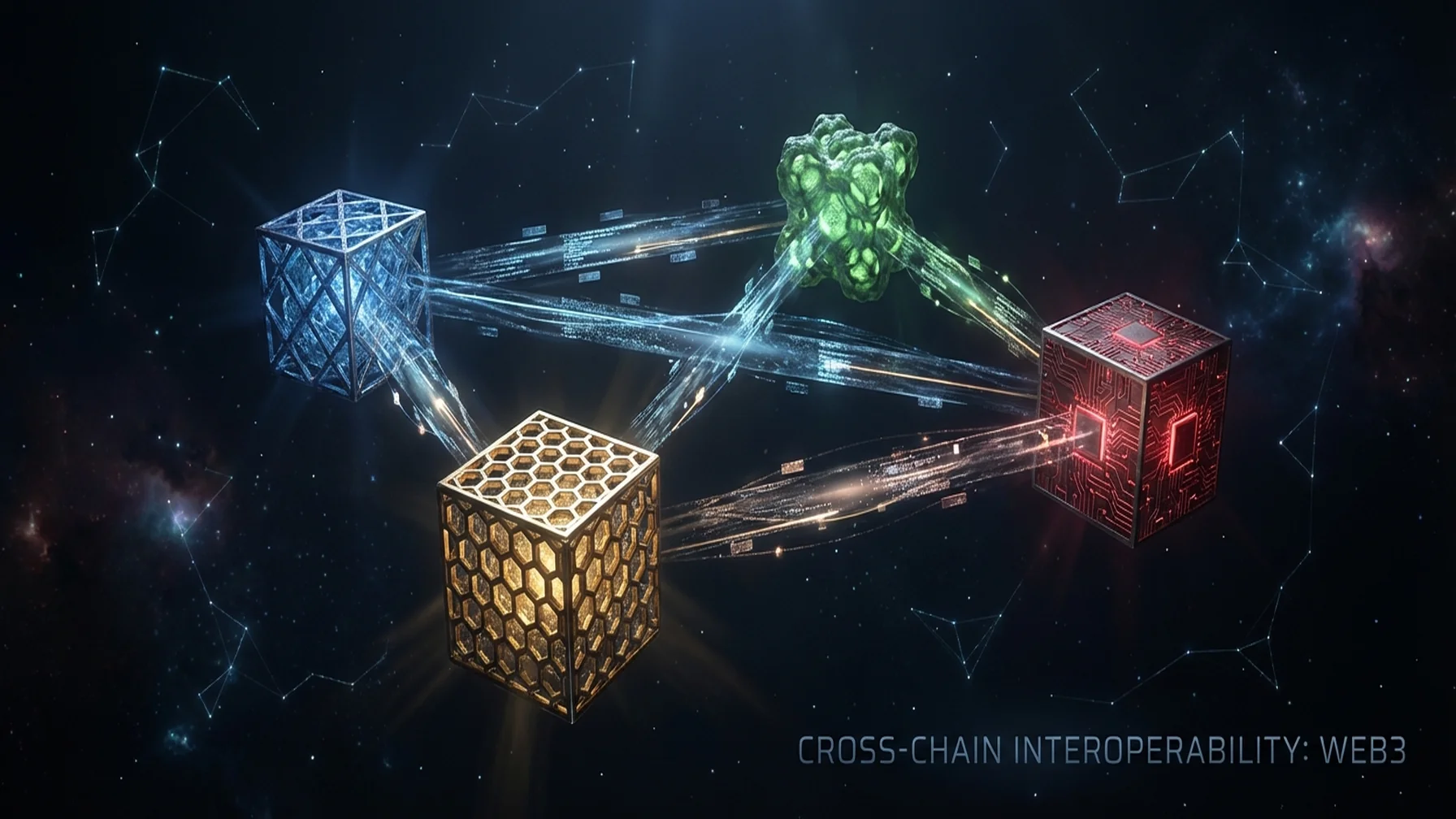
In the rapidly evolving world of Web3 development, ensuring cross-chain interoperability has become a critical focusing for developer. Think about it this way: as more decentralize applications ( dApps ) and blockchain network emerge, the ability to seamlessly interact crosswise diverse chains is key. This tutorial will usher you through the process of edifice decentralized apps with a focus on cross-chain functionality, utilise best practices and tool available today.
Understanding Cross-Chain Interoperability
Cross-chain interoperability allows alternative blockchain networks to communicate and share datum with each other. Surprisingly, this capability is basic for the scalability and usability of decentralize apps. But here's what's interesting: plus, by enable cross-chain interaction, developer can harness the unique benefits of multiple irons, creating more effective and versatile applications.
Setting Up a Web3 Development Environment
Before diving into cross-chain development, it 's important to create a solid state Web3 evolution environment. Often, here 's a checklist to get you started:
- Install Node.js and npm for JavaScript-based development.
- Set up a evolution environment utilise Truffle or Hardhat for smart contract deployment.
- Use Metamask or similar wallets for testing transactions on Ethereum.
- Connect to Ethereum test network such as Ropsten or Kovan.
- Integrate IPFS for decentralized storage solutions.
These tool will supply a solid foundation for developing and testing your dApps.
Developing Smart Contracts for Cross-Chain Interactions
Smart declaration are the backbone of decentralise application. To insure interoperability, your declaration must be adaptable to multiple blockchain environments. Usually, here 's a step-by-step guide to developing smart declaration that help cross-chain interaction:
- Choose the Right Language: Use Solidity for Ethereum or Rust for Solana, depending on your target blockchain.
- Design with Interoperability in Mind: Write modular contracts that can easily integrate with other chains.
- make use of Oracles: apply prophet for real-time data exchange between chains.
- Test for protection: Conduct detailed audits using tools ilk MythX or Slither to guarantee protection and functionality.
By following these steps, your smart declaration will be better prepared for cross-chain operations.
Implementing Cross-Chain Protocols
Cross-chain protocol are essential for enabling interoperability. Protocol such as Polkadot, Cosmos, and Avalanche assist effortless interactions between different blockchains. Basically, when building dApps, think about integrating these protocols to improve functionality:
- Polkadot: Allows for shared security and easy communicating between blockchains.
- Cosmos: Utilizes the Inter-Blockchain Communication ( IBC ) protocol for cross-chain transactions.
- Avalanche: Offers high throughput and compatibility with existing Ethereum tooling.
These protocol furnish the necessary infrastructure for develop interoperable dApps.
Web3 API Integration for Enhanced Functionality
Integrating Web3 Apis can significantly enhance the functionality of your dApps by providing access to a wide range of blockchain services. Actually, consider using APIs from providers ilk Infura or Alchemy to enable datum retrieval and transaction management. Definitely, this consolidation allow your dApp to interact with multiple blockchains efficiently.
Testing and Deploying Cross-Chain dApps
Once your dApp is developed, rigorous testing is crucial to ensure cross-chain functionality. Use Web3 testing tool like Ganache for local blockchain simulations and Remix for deploy contract on test networks. After thorough testing, deploy your application on a mainnet, ensuring all cross-chain features operate smoothly.
Optimizing User Experience in Cross-Chain dApps
User experience is key to the success of any dApp. When dealing with cross-chain interoperability, simplicity and clarity are vital. Plus, design a exploiter interface that clearly indicates which blockchain is being interacted with at any given time. Plus, this transparency helps users navigate the complexities of cross-chain operations with ease.
Conclusion
Ensuring cross-chain interoperability is a strategic imperative for modern Web3 evolution. Indeed, by pursual the steps outlined in this tutorial, developers can create deconcentrate apps that not only function across multiple blockchains but also provide enhanced exploiter experiences. The truth is: as the blockchain ecosystem continues to grow, edifice interoperable solutions will remain a cornerstone of successful dApp development.